


If you've been renting in Ajman for a while, the maths eventually starts to nag at you, and a mortgage is usually the point where that thought becomes a plan. The rules aren't complicated once you see them laid out, but they do come from several different sources: UAE Central Bank regulation, individual bank policy, and Ajman's own government fees, which is where most of the confusion comes from. This guide walks through eligibility, affordability, documents, costs and the approval process specifically as they apply to buying property in Ajman, using verified 2026 figures rather than one bank's numbers presented as a universal rule.
TL; DR
- Expats can borrow up to 80% of a property's value if it's under AED 5 million and it's their first home in the UAE; this drops for higher-value properties, second homes, and off-plan purchases (50% cap, regardless of buyer or price).
- Your total monthly debt repayments, including the new mortgage, generally can't exceed 50% of your gross monthly income, under the Central Bank's Debt Burden Ratio rule.
- Minimum salary, employment tenure and accepted employer types vary genuinely by bank; there's no single UAE-wide minimum, so treat any specific number you see as one lender's policy, not a rule.
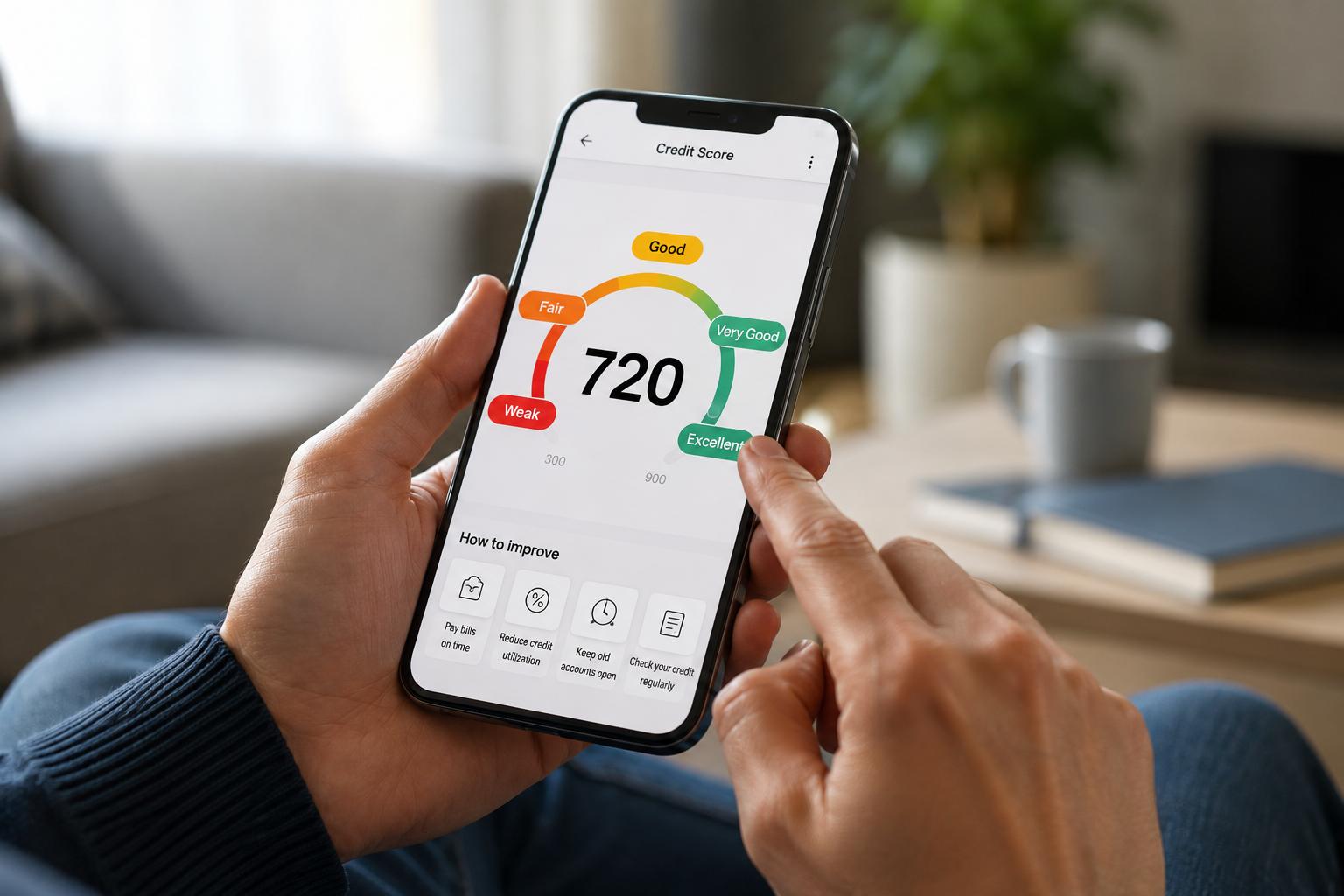
- Your AECB credit score (300–900) matters as much as your income; most lenders treat scores above roughly 700 favourably, though there's no official cutoff.
- Budget for upfront costs beyond your down payment: Ajman's registration fee (2–3%), mortgage registration (0.5% of the loan, minimum AED 1,000), plus valuation and bank processing fees.
- Getting pre-approved before you start viewing properties is free at most banks and tells you your real budget rather than an assumed one.
Who Can Get a Mortgage in Ajman as an Expat?
In practice, most UAE-resident expats with a valid residency visa, a stable income, and a local bank account can apply. Some lenders will also consider non-resident buyers (living outside the UAE) for Ajman property, typically at more conservative loan-to-value ratios and with additional documentation. What differs most between banks isn't whether they'll consider an expat applicant at all, but the specifics: minimum income, accepted nationalities, employer categories, and how long you need to have lived or worked in the UAE. None of these is fixed by law; each bank sets its own risk policy, so it's worth checking two or three lenders rather than assuming the first one you ask reflects the market.
Income and Employment: What Banks Actually Look At
Banks want evidence of income that's stable and likely to continue; that's the common thread, even though the specific thresholds vary. If you're salaried, most lenders want to see your salary transferred to a UAE bank account (sometimes specifically their own, sometimes not), a minimum length of time in your current job commonly cited in the range of three to six months, though this varies by bank and confidence in your employer's standing. Larger, listed or well-known employers are generally viewed more favourably than very small companies. If you're self-employed or run your own business, expect a more document-heavy process: banks typically want trade licence copies, audited financial statements, and a longer track record of business income before they'll lend, since self-employed income is inherently harder to verify than a fixed salary.
How Much Can You Actually Borrow? LTV and the Debt Burden Ratio
Two separate limits cap your borrowing, and both come from the UAE Central Bank's mortgage regulation; banks can be more conservative than these figures, but never less. The first is Loan-to-Value (LTV), which caps how much of the property's value can be financed:
|
Buyer & Property |
First Home |
Second Home / Investment |
|
UAE National value ≤ AED 5M |
Up to 85% |
Up to 65% (any value) |
|
UAE National value > AED 5M |
Up to 75% |
Up to 65% (any value) |
|
Expatriate value < AED 5M |
Up to 80% |
Up to 60% (any value) |
|
Expatriate value> AED 5M |
Up to 70% |
Up to 60% (any value) |
|
Any buyer of off-plan property |
Up to 50%, regardless of value or purpose |
|
Figures reflect the UAE Central Bank's maximum permitted LTV ratios; individual banks may apply stricter limits.
The second limit is the Debt Burden Ratio (DBR): your total monthly debt repayments, the new mortgage plus any car loans, personal loans or credit card minimums, generally cannot exceed 50% of your gross monthly income. Banks are also required to “stress test” your affordability at 2 to 4 percentage points above the current interest rate, to confirm you could still afford repayments if rates rise. For investment properties, banks must discount at least two months of expected rental income from their DBR calculation, to account for vacant periods. One detail worth knowing: End of Service Benefit (gratuity) is not permitted as a recognised income source for mortgage affordability, regardless of how large it is. Separately, the maximum loan term is 25 years, and the maximum amount a bank will lend is capped at 7 times your annual income for expats (8 times for UAE nationals), though most lenders set their own, often more conservative, internal limits below this ceiling.
Your Credit History and the AECB
Every UAE bank pulls your record from Al Etihad Credit Bureau (AECB) before approving a mortgage; your credit history from outside the UAE doesn't transfer, so your AECB file genuinely starts from the day you arrived. Scores run from 300 to 900; there's no single official “good” threshold, but most lenders treat scores above roughly 700 favourably, while a low score or a recent default can lead to a decline regardless of income. You can check your own score for AED 10.50, or pull the full report (recommended before applying, since it shows the details behind the number) for AED 84, both via the Etihad Credit Bureau app or website. If anything on your report looks wrong, it's worth disputing it before a bank sees it, not after.
Getting Pre-Approved Before You House-Hunt
Pre-approval a bank's written indication of how much they'd lend you, based on your income and documents, before you've chosen a specific property is usually free and typically takes a few days to a couple of weeks depending on the bank. It's worth doing before you start viewing apartments or villas seriously: it tells you your real, bank-confirmed budget rather than an assumed one, and it gives you credibility when making an offer, since sellers and agents take a pre-approved buyer more seriously. Pre-approvals are generally valid for a set window, commonly around 60 to 90 days, though this varies by bank; after which you may need to refresh your documents if you haven't yet found a property.
Documents You'll Typically Need
- Passport and valid UAE residence visa.
- Emirates ID.
- Salary certificate and the last three to six months of bank statements (salaried applicants).
- Trade licence and audited financial statements, typically covering at least the past two years (self-employed applicants).
- Proof of address, such as a utility bill or registered tenancy contract.
- Details of any existing loans, credit cards or other financial commitments, since these feed directly into the DBR calculation.
Down Payment and Other Upfront Costs in Ajman
Your down payment is simply the gap between the LTV your bank approves and 100% of the property price for an expat buying a first home under AED 5 million at 80% LTV; that's a minimum of 20% from your own funds. On top of the down payment, budget for several separate costs specific to buying in Ajman. The Ajman Land and Real Estate Regulation Department's registration fee is 2% of the property value for UAE/GCC nationals or 3% for other nationalities, payable by the buyer, plus a flat AED 350 title deed fee. If you're financing the purchase, mortgage registration is a separate government fee: 0.5% of the mortgage value, with a minimum of AED 1,000, plus the AED 350 certificate fee worth flagging, since a lower figure (0.25% plus AED 290) circulates widely online and is actually Dubai's rate, not Ajman's. Beyond government fees, banks typically charge a property valuation fee (commonly AED 2,500–3,500 plus VAT) and a processing or arrangement fee (up to around 1% of the loan amount plus VAT), both bank-set and worth comparing. If you use an agent, their commission is negotiated separately and isn't fixed by regulation.
Choosing the Right Mortgage and Comparing Banks
Beyond meeting the minimum criteria, the mortgage you choose has real long-term cost implications. Fixed-rate deals offer payment certainty for an initial period (commonly one to five years) before reverting to a variable rate, while variable-rate mortgages move with EIBOR-linked pricing throughout the term; each suits a different risk tolerance and time horizon. Rates, fees and eligibility criteria genuinely differ between UAE banks, and change often enough that comparing several lenders directly, rather than relying on one bank's first offer, is usually worth the time. If you'd rather not compare offers bank by bank yourself, ClearRate.ae is an independent UAE mortgage advisory that compares options across more than 20 UAE banks and can help with pre-approval, whether you're buying for the first time, refinancing, or exploring commercial financing a useful shortcut if you'd rather have someone else do the comparison legwork.
Property Valuation
Before any bank makes an irrevocable lending commitment, an independent, on-site valuation of the specific property must be carried out by a professional valuer who isn't connected to you, the seller, or the developer; this is a Central Bank requirement, not a bank preference. Each bank works from its own board-approved panel of valuers, so the valuer assigned isn't something you choose yourself. If the valuation comes in below the agreed purchase price, your loan amount is based on the lower valuation figure, not the price you agreed with the seller, which means you'd need to cover the difference in cash if you still want to proceed at that price.

Final Approval and What Happens Before Transfer
Once the valuation is in and your file is complete, the bank issues a final offer letter confirming the approved loan amount, rate and terms. From there, the property sale and mortgage are registered together with the Ajman Land and Real Estate Regulation Department: documents are submitted, fees are paid, the mortgage is registered against the title, and the new ownership and mortgage details are issued electronically via UAE Pass. Only once this registration is complete does the property formally transfer into your name with the bank's charge properly recorded against it.
Ready to start looking? Browse current apartments for sale in Ajman and villas for sale in Ajman to see what fits your budget once you know your numbers.
Related Guides
- Purchasing Real Estate In Ajman: What Charges Must I Pay?
- Ajman Real Estate Registration: A Guide for Apartment Buyers
- Ajman Freehold Properties 2025: Best Areas, Price Trends & Buyer's Guide
- How Much Is My Property Worth in Ajman? A Guide for Property Owners
Final Thoughts
A mortgage in Ajman follows the same Central Bank framework as anywhere else in the UAE, but the specific numbers how much you can borrow, what it costs upfront, which bank fits your profile depend on your own income, credit history and the property itself, not a single figure quoted online. Getting pre-approved early turns those variables into a confirmed budget before you start viewing property.
Frequently Asked Questions
How much deposit do I need to buy property in Ajman as an expat?
For a first home valued under AED 5 million, expats can typically borrow up to 80% of the property's value, meaning a minimum 20% down payment from your own funds. This drops to 30% or more for higher-value properties, second homes, or investment purchases, and off-plan properties are capped at 50% LTV regardless of price.
What credit score do I need for a mortgage in Ajman?
There's no official minimum, but most UAE banks treat an AECB score above roughly 700 favourably. Scores are checked via Al Etihad Credit Bureau (AECB) and range from 300 to 900. It's worth reviewing your own report before applying, since a low score or recent default can lead to a decline even with sufficient income.
Can I get a mortgage in Ajman if I'm self-employed?
Yes, though the documentation is more extensive: typically a trade licence, audited financial statements covering at least the past two years, and bank statements showing consistent business income. Some banks are more conservative with self-employed applicants than salaried ones, so comparing lenders is worthwhile.
How much does it cost to register a mortgage in Ajman?
The Ajman Land and Real Estate Regulation Department charges 0.5% of the mortgage value, with a minimum of AED 1,000, plus a AED 350 certificate fee. This is separate from the property's own 2–3% sale registration fee.
Is mortgage pre-approval worth getting before I start viewing properties?
Generally, yes. Pre-approval is usually free, confirms your actual budget rather than an assumed one, and signals to sellers and agents that you're a serious, qualified buyer. It's typically valid for around 60–90 days, though this varies by bank.
Do mortgage rules differ for off-plan property in Ajman?
Yes. Regardless of your residency status or the property's value, the UAE Central Bank caps loan-to-value at 50% for any off-plan purchase, reflecting the higher risk profile of financing a property that isn't yet complete.




تعليقات (0)
اترك تعليقا